
Call: 08071793738
 Send Inquiry
 Send Inquiry
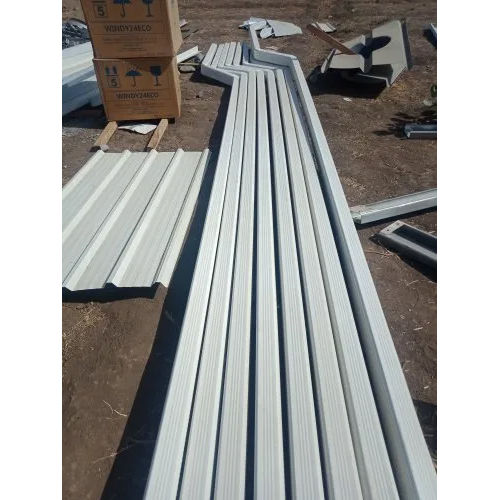
Roof Downtake Pipe
Price 250 INR/ Meter
Roof Downtake Pipe Specification
- Yield Strength
- Min. 48 MPa
- Diameter
- 110 mm
- Coating Type
- Uncoated
- Flexibility
- Rigid
- Tensile Strength
- Min. 45 MPa
- Sealing Type
- Rubber Ring or Solvent Joint
- Temperature Range
- -5C to 60C
- Bend Radius
- Not Flexible
- Tolerance
- 2 mm
- Connection Type
- Push Fit, Solvent Weld
- Product Type
- Roof Downtake Pipe
- Material
- PVC
- Connection
- Socket or Solvent Weld
- Shape
- Round
- Standard
- IS 4985
- Surface Treatment
- Smooth Surface
- Outer Diameter
- 110 mm
- Section Shape
- Cylindrical
- Length
- 3 m
- Thickness
- 3.2 mm
- Color
- Blue
- Usage
- Roof Drainage
- Rated Pressure
- 6 kg/cm
- Application
- Residential and Commercial Buildings
- Material Grade
- uPVC
- Impact Strength
- High
- Inner Surface
- Smooth for Reduced Friction
- Corrosion Resistance
- Excellent
- Storage Condition
- Store in Shade, Avoid Direct Sunlight
- Chemical Resistance
- Strong Acids and Alkalis
- Joint Type
- Ring Fit
- Installation Method
- Above and Below Roof Slab
- UV Resistance
- High
- Fire Resistance
- Yes
Roof Downtake Pipe Trade Information
- Minimum Order Quantity
- 100 Meter
- Supply Ability
- 5000 Per Month
- Delivery Time
- 7 Days
About Roof Downtake Pipe
Roof Downtake Pipes: The Unsung Heroes of Rainy Days
While gutters get most of the credit, roof downtake pipes are the workhorses of your home's rainwater drainage system. These unsung heroes silently channel water away from your roof foundation, protecting your home from leaks and moisture damage.
Here's a deeper look at roof downtake pipes:
Beyond Just Downward Flow:
- Material Matters: Downtake pipes come in various materials, each with its pros and cons.
- PVC: Affordable, lightweight, and easy to install, but not as strong as metal options.
- Size Matters: The diameter of your downtake pipe needs to be sufficient to handle the volume of rainwater your roof collects. A clogged or undersized pipe can lead to overflows and water damage.
- Going Green: Consider using your downtake pipes to collect rainwater in a barrel. This harvested rainwater can then be used for watering plants or washing your car, reducing your reliance on municipal water.
Maintaining Your Downtake Champions:
- Regular Cleaning: Clean your downtake pipes regularly, especially after heavy rain or periods with lots of falling leaves. This prevents clogs that can cause water to back up and overflow.
Engineered for Strength and Safety
Manufactured from uPVC material, the Roof Downtake Pipe offers high tensile and yield strength, along with superior impact resistance. Its fire, chemical, and corrosion-resistant properties ensure long-term reliability for drainage applications in any environment, reducing maintenance costs and increasing safety.
Superior Performance in All Conditions
The pipe's smooth interior minimizes friction, enabling efficient water flow, while high UV resistance ensures it stands up to sunlight exposure-ideal for both above and below roof slab installations. Its robust design withstands temperatures from -5C to 60C and pressure up to 6 kg/cm2, meeting the demanding needs of modern infrastructure.
FAQ's of Roof Downtake Pipe:
Q: How is the Roof Downtake Pipe installed?
A: The pipe can be installed both above and below the roof slab using either push-fit, ring-fit, or solvent weld joint methods. Its precision-engineered socket and rubber ring or solvent joint ensure proper sealing and secure connection during installation.Q: What are the main benefits of using this uPVC roof downtake pipe?
A: Benefits include fire resistance, exceptional chemical and corrosion resistance, high UV protection, a smooth inner surface for efficient drainage, and sturdy impact strength. These features ensure long-term, maintenance-free operation in diverse climates.Q: When should I use this type of downtake pipe?
A: This downtake pipe is ideal for all roof drainage applications in residential and commercial buildings, especially when reliable fire protection, chemical resistance, and durability against outdoor exposure are required.Q: Where can the pipe be used and who supplies it?
A: The pipe is suited for building projects across India, available via distributors, exporters, importers, manufacturers, service providers, suppliers, traders, and wholesalers. It meets IS 4985 standards and is suitable for a range of construction environments.Q: What is the correct process for storing the pipe before installation?
A: The pipe should be stored in a shaded area to avoid direct sunlight, preserving its material quality and UV-resistant properties until use.Q: How does the smooth inner surface improve system performance?
A: The smooth surface reduces internal friction, ensuring higher flow rates for rainwater drainage. This design minimizes the risk of blockages and enhances overall efficiency.Q: What makes this pipe durable against chemicals and environmental elements?
A: Manufactured from high-grade uPVC, it withstands strong acids, alkalis, and corrosion, and has a high UV resistance to prevent aging or degradation from sun exposure-making it ideal for long-term, trouble-free service.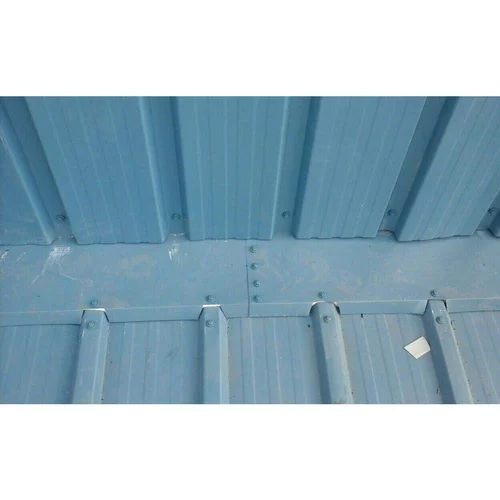
Tell us about your requirement

Price:
Quantity
Select Unit
- 50
- 100
- 200
- 250
- 500
- 1000+
Additional detail
Mobile number
Email

More Products in Down Take Pipe Category
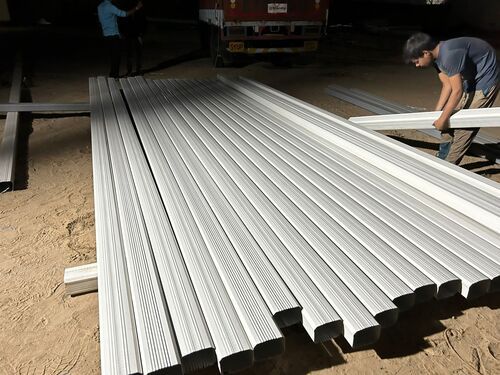
Down Take Pipe
Price 250 INR / Meter
Minimum Order Quantity : 50
Flexibility : Rigid Pipe
Material Grade : uPVC Grade 1
Tensile Strength : Minimum 45 MPa
Application : other, Rainwater Drainage, Soil Waste, Plumbing, Industrial Discharge
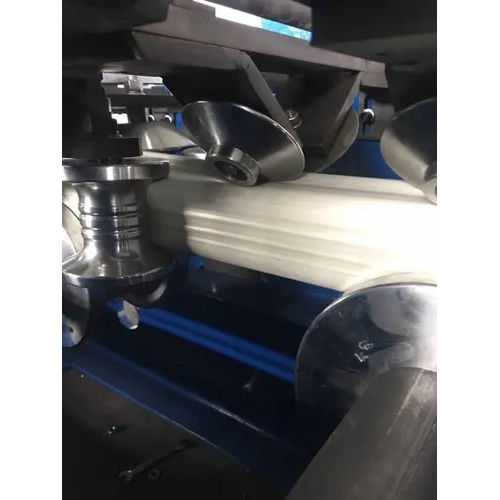
Gutters And Downtake Pipes
Price 250 INR / Meter
Minimum Order Quantity : 100
Flexibility : Rigid
Material Grade : UPVC Grade 1
Tensile Strength : 450 kg/cm
Application : other, Roof Drainage, Water Discharge
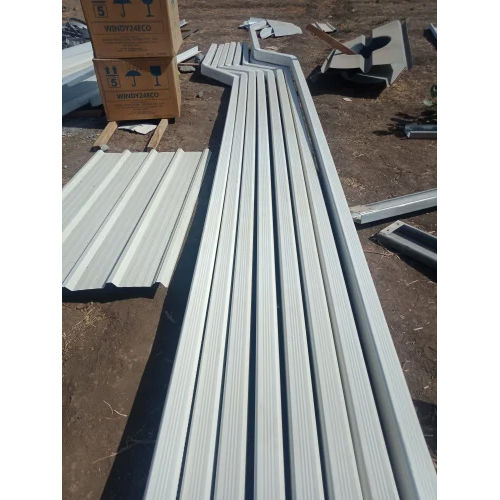
Rainwater Downtake Pipe
Price 250 INR / Meter
Minimum Order Quantity : 50
Flexibility : Rigid
Material Grade : uPVC IS 13592 GradeI
Tensile Strength : 40 MPa
Application : other, Rainwater Harvesting, Roof Drainage
Pvc Downtake Pipe
Price 250.0 INR / Meter
Minimum Order Quantity : 20
Flexibility : Medium
Material Grade : UPVC Grade
Tensile Strength : 40 MPa Megapascals (MPa )
Application : other, Rainwater Harvesting, Building Drainage

Contact Details
Shail Steel Structure
GST : 24AERFS7679N1ZT
- PLOT NO. 99, DEVRAJ INDUSTRIAL PARK, (PIPLAJ-PIRANA ROAD),Ahmedabad - 382405, Gujarat, India
- Phone :08071793738

 Send Inquiry
Developed and Managed by Infocom Network Private Limited.
